
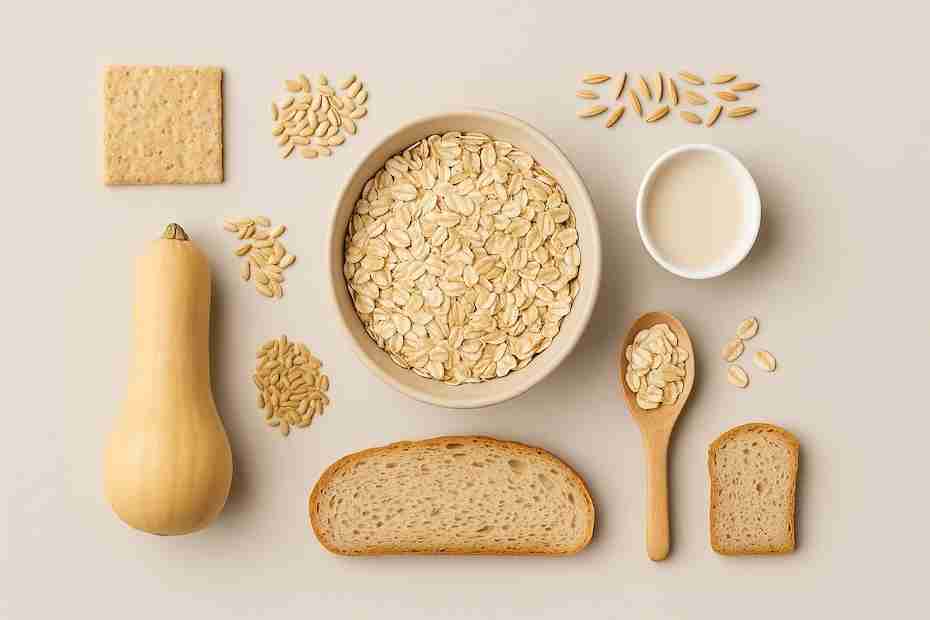
Yes, oats can be gluten-free, but only when processed under strict controls that prevent cross-contact with wheat, barley, or rye. You protect your health by understanding how oats are grown, tested, and labeled, since quality varies widely across brands and production methods.
This article clears the confusion surrounding gluten-free oats by dismantling five myths still circulating among consumers, forums, and even some health professionals. You’ll see what scientific research actually shows, why contamination still occurs, and how to choose oats safely if you live with celiac disease or gluten sensitivity. By the end, you’ll feel more confident navigating oat products without risking accidental gluten exposure.
Myth 1: Oats Always Contain Gluten
Oats do not inherently contain gluten. Their storage protein is avenin, which is molecularly different from the gluten proteins found in wheat, barley, and rye. Most people with celiac disease do not react to avenin, making pure oats a viable food choice. The confusion arises because commercial oats frequently come into contact with gluten during farming and processing. Farmers often rotate fields or use shared harvesting equipment, which leaves traces of wheat or barley in oat batches long before packaging occurs.
This cross-contact issue means that the majority of standard grocery-store oats are unsafe for gluten-free diets. When researchers have tested conventional oats, contamination levels vary widely — some have minimal residue while others exceed the 20 ppm (parts per million) threshold allowed for a gluten-free label. These inconsistencies highlight why relying on unlabeled oats is risky. Many consumers assume that oats are harmless because the grain itself is gluten-free, yet the real risk lies in the supply chain rather than the oat plant.
Because of these realities, the gluten-free movement emphasizes certified products. Purity protocol oats and gluten-free labeled oats processed in controlled facilities drastically reduce contamination risks. These manufacturers separate fields, equipment, transport, and packaging for gluten-free oats. When you choose oats from these certified sources, you bypass the most common contamination pitfalls and bring a naturally gluten-free food safely into your diet.
Myth 2: Gluten-Free Oats Are Always Safe for Everyone with Celiac or Gluten Sensitivity
Even when oats are processed correctly, a small subset of people with celiac disease still reacts to avenin — the natural oat protein. This reaction is not due to gluten cross-contact but rather to individual immune response. Studies show that while most people tolerate uncontaminated oats well, some may develop symptoms or show changes in certain diagnostic markers. You avoid complications by introducing oats thoughtfully, especially if your digestive system is still healing.
Healthcare providers often suggest waiting until your celiac disease is well controlled before adding oats. This advice stems from the need to stabilize the gut before evaluating a new food. When you introduce oats too early, it’s hard to determine whether symptoms are caused by gluten exposure, other foods, or the underlying condition itself. A structured approach allows you to assess oats more accurately and avoid confusion about what is causing your body’s response.
Monitoring your reaction over several weeks is the most reliable way to assess tolerance. Because oats can have a delayed effect, you cannot rely on immediate feedback. Digestive comfort, energy levels, and lab results offer clearer signals over time. By paying close attention to your body and working with a qualified provider, you can determine whether gluten-free oats strengthen your diet or introduce unnecessary risk.
Myth 3: A Gluten-Free Label Means the Oats Are Completely Free of Contamination
A gluten-free label does not guarantee that oats are entirely free of gluten. It simply confirms that the product tested below the regulatory limit, typically 20 ppm. While this limit protects most people with celiac disease, variability still exists. Some batches may test just under the threshold while others may approach the limit due to inconsistent sorting or milling practices. You must understand this nuance to avoid overconfidence in a label that offers compliance but not perfection.
Scientific audits of gluten-free oat products reveal contamination inconsistencies across brands. In some cases, oats processed through mechanical sorting pass gluten-free testing despite minor contamination that barely makes the cutoff. These products still meet regulatory standards yet may pose concern if your sensitivity is severe. Facilities that rely on advanced sorting techniques may not always match the purity achieved through dedicated fields and equipment. Knowing this helps you evaluate your risk tolerance more thoughtfully.
The highest safety margin comes from oats grown and processed under “purity protocol” systems. These oats follow stringent segregation all the way from planting to packaging. While not every gluten-free consumer needs this level of control, those with severe reactions or histories of accidental exposure may benefit from choosing purity protocol brands. You increase safety when you prioritize companies that disclose their testing methods, contamination thresholds, and manufacturing processes.
Myth 4: Unsafe Oats Will Always Cause Immediate and Obvious Symptoms
Reactions to contaminated oats or avenin sensitivity are not always immediate. Some individuals develop symptoms gradually as they consume oats over several days or weeks. Digestive discomfort, fatigue, headaches, and cognitive fog can build subtly rather than appear all at once. This delayed effect makes oats challenging to evaluate because you might not attribute symptoms to the food until the pattern becomes consistent.
Another complication is that gluten exposure does not always trigger overt symptoms, even when intestinal damage is occurring. Many people with celiac disease experience “silent exposure,” where the immune system reacts internally without creating clear discomfort. This means contaminated oats may impact your health even if you do not feel unwell after eating them. Silent reactions contribute to long-term intestinal harm, nutrient deficiencies, and overall health setbacks.
The safe way to assess oats is through controlled introduction and follow-up testing. You watch for both immediate and subtle changes in digestion, energy, or mood. When you pair observation with periodic medical monitoring, you create a clearer picture of your body’s response. This balanced, intentional approach gives you confidence in whether oats belong in your diet or should remain off your plate.
Myth 5: Oats Offer No Special Nutritional Benefits in a Gluten-Free Diet
Oats provide significant nutritional value, especially for individuals on gluten-free diets that often lack fiber and whole-grain diversity. Rich in vitamins, minerals, and plant-based compounds, oats contribute both macro- and micronutrient benefits. Their soluble fiber supports digestive function and provides sustained fullness, helping you maintain stable energy throughout the day. You gain more than a breakfast staple — you add a versatile ingredient that improves your nutritional foundation.
Oats also support heart health through beta-glucan, a soluble fiber shown to help maintain healthy cholesterol levels. Research consistently highlights oats as a valuable component of balanced diets across populations. When you incorporate gluten-free oats, you introduce a grain that supports both structural and metabolic well-being. That balance is especially helpful for gluten-free eaters who otherwise rely heavily on starches or processed grain substitutes.
Beyond nutrients, oats increase dietary variety and satisfaction. Gluten-free diets can feel repetitive without diverse whole grains, and oats deliver texture, flexibility, and familiar comfort. Whether you use them in porridges, baked goods, or savory dishes, oats elevate meal quality while maintaining safety when sourced appropriately. The right oat choice offers nourishment, enjoyment, and confidence in your gluten-free routine.
Quick Gluten-Free Oat Facts
- Oats are naturally gluten-free, but cross-contact is common.
- Certified oats reduce risk but may still vary in purity.
- Most tolerate pure oats; a few react to oat protein.
Choose Oats Wisely and Strengthen Your Gluten-Free Lifestyle
You navigate gluten-free oats confidently when you understand the science, the risks, and the quality differences across brands. By relying on purity protocol products, introducing oats carefully, and monitoring how your body responds, you avoid missteps that lead to unnecessary symptoms or exposure. Oats can enrich your diet and improve your nutrition, but the benefits emerge only when you select them with intention and awareness.
If you want more research-backed gluten-free guidance to support your daily decisions, explore my other posts and resources at pinterest.