
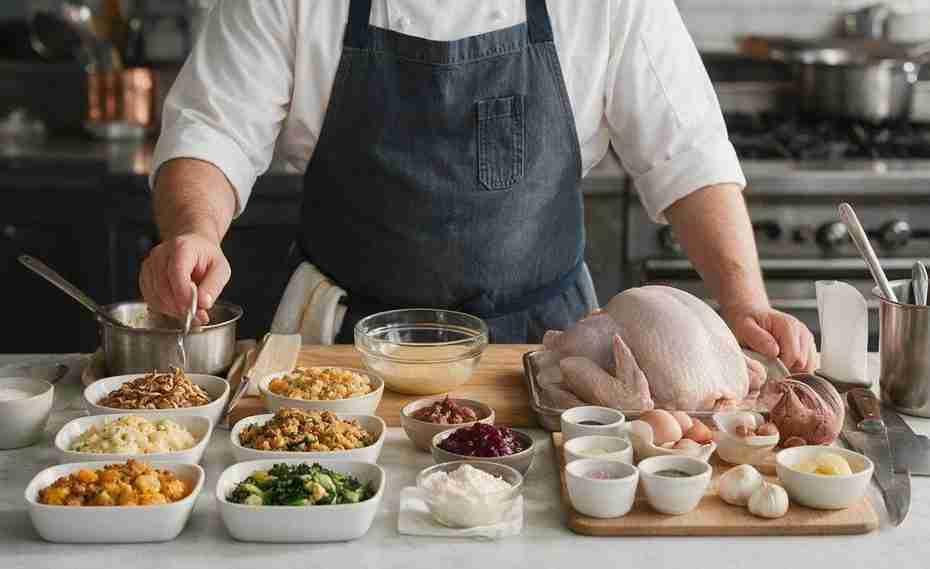
A gluten-free Thanksgiving menu becomes safer and easier when you divide shopping, preparation, cooking, and reheating across several days. Staging the work gives you time to check labels, prevent cross-contact, and serve familiar holiday dishes without crowding your oven or refrigerator.
This plan takes you from early kitchen setup through the final hour before dinner. You’ll prepare cranberry sauce, turkey, stuffing, casseroles, gravy, and dessert on a practical schedule, with extra attention to ingredients that can hide gluten. You’ll also know which dishes should wait until Thanksgiving Day and which ones improve when prepared ahead.
Why A Staged Menu Works Better For Thanksgiving
Making every dish on Thanksgiving Day creates unnecessary pressure. It also increases the chance that you’ll overlook a broth label, reuse a contaminated spoon, or place gluten-free food beside crumbs from regular bread. A staged plan gives you room to review ingredients before the kitchen gets busy. It also separates high-risk preparation, including stuffing and gravy, from naturally gluten-free foods.
The menu can stay familiar: roasted turkey, cranberry sauce, gluten-free stuffing, mashed potatoes or a vegetable casserole, gravy, and pie. The difference lies in ingredient selection and timing. Plain vegetables, potatoes, fruit, butter, herbs, and unseasoned turkey are naturally gluten-free, but packaged products need closer review. Broth, spice mixtures, sauces, pie fillings, fried toppings, and processed turkey can introduce gluten.
Staging also helps you manage limited equipment. You can prepare cold dishes before roasting begins, assemble casseroles before you need the oven, and reserve the final cooking period for gravy and reheating. You gain a calmer schedule without sacrificing the dishes your guests expect.
Stage 1: Plan, Shop, And Prepare The Kitchen
Begin five to seven days before Thanksgiving by choosing the menu and reviewing every recipe. Make one ingredient list that identifies packaged products requiring a gluten-free label, including broth, bouillon, seasonings, sauces, baking ingredients, marshmallows, and toppings. Gluten appears in wheat, barley, rye, and triticale, while oats can pick up gluten during growing or processing unless they’re labeled gluten-free. Under the Food and Drug Administration labeling rule, packaged food labeled gluten-free must contain less than 20 parts per million of gluten.
Read the turkey label before buying it. A plain turkey is naturally gluten-free, but a self-basting, injected, seasoned, or pre-brined bird may contain broth or added ingredients that aren’t suitable. Choose a turkey with a clear ingredient statement, and contact the manufacturer if the label leaves room for doubt. Apply the same standard to ham or another packaged main dish.
Prepare the kitchen before opening ingredients. Clean counters, cabinet handles, refrigerator shelves, cookware, and frequently touched appliances. Set aside clean cutting boards, colanders, utensils, baking pans, storage containers, sponges, and serving pieces for gluten-free food. If regular bread or flour remains in the house, store it away from your Thanksgiving ingredients and avoid using it during holiday preparation.
Stage 2: Prepare The Brine, Cranberry Sauce, And Cooking Bases
Two to three days ahead, prepare the dishes and components that hold well under refrigeration. Cranberry sauce is an ideal starting point because it can be made three to five days before dinner and served chilled or at room temperature. Store it in a covered container rather than a serving bowl, which keeps it protected and frees space for other preparation. Add any garnishes shortly before serving.
If you plan to brine the turkey, begin according to your recipe and the bird’s size. Check the labels on packaged brine mixtures, broth, spice blends, and flavor packets before using them. Salt, sugar, citrus, and individual herbs are straightforward choices when you want tighter control over the ingredients. Keep the turkey properly refrigerated throughout brining.
This is also a useful time to prepare a gravy base with verified gluten-free broth or homemade stock. You can cook aromatic vegetables, measure herbs, and portion the thickener so the day-of work stays short. If your stuffing uses gluten-free bread, cube or tear the bread and dry it according to the recipe. Keep regular bread away from the baking sheet, cooling rack, and storage container.
Stage 3: Assemble Stuffing, Casseroles, And Pie Crust
The day before Thanksgiving is your main preparation period. Assemble gluten-free stuffing with dried gluten-free bread, verified broth, vegetables, herbs, and the fat called for in your recipe. Add liquid gradually because gluten-free breads absorb moisture at different rates. The mixture should feel evenly moistened without becoming wet or compressed.
Baking stuffing in its own casserole dish gives you better control over browning and texture. You can assemble it a day ahead, cover it, and refrigerate it according to the recipe. Reserve a little broth in case the surface looks dry before baking. For a crisp top, uncover the dish during the later part of baking rather than adding more liquid at the last minute.
Mashed potatoes and many vegetable casseroles can also be prepared one day ahead. Skip toppings that lose their texture in storage, then add them shortly before the casserole enters the oven. Prepare pie crust with a gluten-free flour blend intended for measure-for-measure baking or use the specific blend named by your recipe. Gluten-free crust can be shaped and refrigerated one to two days ahead, and many pies can be baked the day before to reduce Thanksgiving oven traffic.
Stage 4: Roast The Turkey And Follow An Oven Schedule
Thanksgiving morning begins with the turkey and a written oven schedule. If the bird is frozen, allow about 24 hours of refrigerator thawing time for every four to five pounds. A large turkey may need several days to thaw, so calculate the timing during Stage 1 rather than waiting until the night before. Never assume the center has thawed simply because the exterior feels soft.
Prepare the bird on a clean surface with dedicated utensils. Confirm that seasonings, butter mixtures, cooking sprays, and any liquid added to the roasting pan are gluten-free. Don’t place gluten-containing stuffing inside the turkey or use a roasting rack that still has residue from another meal. Wash your hands and clean nearby surfaces after handling raw poultry.
Roast the turkey according to its weight and your chosen method. Use a food thermometer rather than relying on skin color or cooking time alone. The turkey should reach 165°F in the innermost part of the thigh and wing and the thickest part of the breast. Once it rests, use the open oven for casseroles and stuffing according to your written schedule.
Stage 5: Make Gravy, Reheat Sides, And Set Up Serving
Use the final hour for gravy, reheating, garnishing, and moving food to the table. Traditional gravy often begins with wheat flour, so replace it with cornstarch, arrowroot, potato starch, or sweet rice flour. Cornstarch and arrowroot are generally mixed with cool liquid before being whisked into hot drippings. Sweet rice flour can produce a texture closer to flour-thickened gravy when used in a suitable recipe.
Review every part of the gravy, not just the thickener. Turkey drippings are only suitable if everything used on or inside the turkey was gluten-free. Broth, bouillon, seasoning packets, and bottled sauces also require label checks. Keep a clean whisk, ladle, and saucepan reserved for the gravy so they aren’t borrowed for another dish.
Reheat prepared sides according to their recipes and keep serving utensils assigned to one dish. Place gluten-free rolls, stuffing, and desserts away from regular baked goods if your gathering includes them. A separate butter dish prevents guests from transferring crumbs with a knife. Labeling dishes can also stop well-meaning guests from adding an unsafe topping or utensil.
Hidden Gluten In Thanksgiving Foods And Better Swaps
Holiday food can contain gluten without looking bread-based. Packaged broth, bouillon cubes, seasoning packets, soy sauce, malt vinegar, crispy fried onions, canned pie fillings, and some marshmallow products require careful label review. Gravy mixes and pre-seasoned side dishes are also common trouble spots. Choose products labeled gluten-free rather than relying on appearance or assumptions.
You can control costs by spending specialty-food money where it has the greatest effect. Gluten-free bread, flour blends, and rolls often require dedicated products, but potatoes, rice, vegetables, fruit, eggs, butter, herbs, and plain meat already fit the menu. Building most of the meal around naturally gluten-free ingredients reduces label checking and limits expensive substitutions.
Hidden Gluten Swap Guide
|
High-Risk Ingredient |
Better Choice
|
|
Regular bread stuffing |
Stuffing made with labeled gluten-free bread |
|
Wheat flour gravy |
Cornstarch, arrowroot, potato starch, or sweet rice flour gravy |
|
Standard soy sauce |
Labeled gluten-free soy sauce or tamari |
|
Packaged crispy onions |
Labeled gluten-free onions or a homemade gluten-free topping |
|
Malt vinegar |
Apple cider vinegar or another verified gluten-free vinegar |
|
Unverified broth or bouillon |
Clearly labeled gluten-free broth or homemade stock |
|
Self-basting turkey |
Plain turkey with a verified ingredient label |
Cross-Contact Checklist For A Celiac-Safe Holiday Table
Cross-contact occurs when gluten-free food touches gluten, crumbs, residue, or a contaminated utensil. A small amount can make food unsuitable for a guest with celiac disease. Shared cutting boards, toasters, colanders, sponges, serving spoons, and butter dishes deserve particular attention. Cleaning and separation need to continue through serving, not stop once cooking ends.
You don’t need to replace every item in your kitchen, but worn or difficult-to-clean equipment deserves caution. Scratched cutting boards, wooden utensils, porous strainers, and crumb-filled appliances are harder to clean reliably. Use clean metal, glass, silicone, or other nonporous equipment when available. Disposable parchment paper and foil can create clean preparation surfaces on baking sheets and pans.
- Wash your hands before handling gluten-free ingredients.
- Clean counters and appliances before food preparation begins.
- Use separate cutting boards, colanders, sponges, and serving utensils.
- Keep regular flour and bread away from gluten-free cooking areas.
- Store gluten-free ingredients above foods that can drop crumbs.
- Use fresh butter, condiments, and spreads without shared knives.
- Label storage containers and serving dishes.
- Serve gluten-free food before guests handle nearby bread products.
- Keep one utensil with every dish throughout the meal.
Common Gluten-Free Thanksgiving Questions
Is Turkey Gluten-Free?
Plain, unseasoned turkey is naturally gluten-free. Self-basting, injected, pre-brined, and seasoned turkeys can contain added broth or flavorings, so read the full ingredient statement. Don’t rely solely on the flavor name or front label. Contact the manufacturer when the ingredients aren’t clear.
What Thanksgiving Sides Are Naturally Gluten-Free?
Plain potatoes, sweet potatoes, vegetables, rice, cranberry sauce, salads, and fruit can be naturally gluten-free. Their status changes when you add broth, sauces, seasoning packets, croutons, fried onions, or shared toppings. Build the dish from basic ingredients when possible. Then verify every packaged addition.
How Do You Keep Gluten-Free Stuffing From Becoming Mushy Or Dry?
Dry the bread before assembly and add broth in small amounts. Gluten-free bread varies in density and absorbency, so a fixed liquid amount may not suit every loaf. Avoid packing the mixture firmly into the casserole dish. Bake it uncovered near the end when you want a browned, crisp surface.
Which Gluten-Free Flour Blend Works Best For Pie Crust?
Use a blend developed for measure-for-measure baking or the blend specified by a tested gluten-free pie recipe. Different blends contain different starches and binders, so swapping them without adjusting the recipe can change the texture. Keep the dough cool and handle it gently. Chilling the shaped crust before baking can also help it hold its form.
Are Marshmallows And Canned Pumpkin Gluten-Free?
Plain canned pumpkin is often made from pumpkin alone, but you still need to check the label. Canned pie filling contains additional ingredients and requires closer review. Marshmallow ingredients vary by brand and product type. Select packages labeled gluten-free when using them for sweet potato dishes or desserts.
How Should You Store Thanksgiving Leftovers?
Refrigerate leftovers within two hours of serving. Use refrigerated leftovers within three to four days, or freeze them for longer storage. For best quality, frozen leftovers should generally be used within three to four months. Divide large amounts into shallow containers so they cool faster, and keep gluten-free foods covered and separated from foods containing gluten.
What Gluten-Free Thanksgiving Dishes Can You Make Ahead?
- Brine turkey 1 to 2 days ahead
- Make cranberry sauce 3 to 5 days ahead
- Prepare gluten-free pie crust 1 to 2 days ahead
- Assemble stuffing and casseroles 1 day ahead
- Reheat sides and finish gravy before serving
Turn Your Menu Into A Calm, Reliable Plan
A successful gluten-free Thanksgiving menu depends on preparation, clear labels, clean equipment, and realistic timing. Start with naturally gluten-free foods, verify every packaged ingredient, and reserve specialty substitutes for stuffing, gravy, rolls, and dessert. Preparing cranberry sauce, crust, stuffing, and casseroles ahead leaves Thanksgiving Day focused on the turkey, reheating, and serving. Keep utensils assigned to their dishes, protect food from crumbs, and refrigerate leftovers promptly. With the work divided into stages, you can serve a familiar holiday meal without forcing every task into the same crowded morning.
References
- Celiac Disease Foundation: Celiac Disease Facts
- Food and Drug Administration: Gluten-Free Labeling of Foods
- Beyond Celiac: Is It Gluten-Free?
- Beyond Celiac: Gluten and Cross-Contact
- Gluten Intolerance Group
- United States Department of Agriculture: Leftovers and Food Safety
- United States Department of Agriculture: Turkey Roasting and Food Safety
- King Arthur Baking: Gluten-Free Recipes
- Bob’s Red Mill: Gluten-Free Products and Flours.